
In recent years, payday loans with no credit check have gained popularity among consumers facing urgent financial needs. These loans are marketed as quick and convenient solutions for individuals who may struggle to gain approval through traditional banking methods. However, while they may offer immediate relief for some, there is an ongoing debate about the potential risks and consequences associated with them.
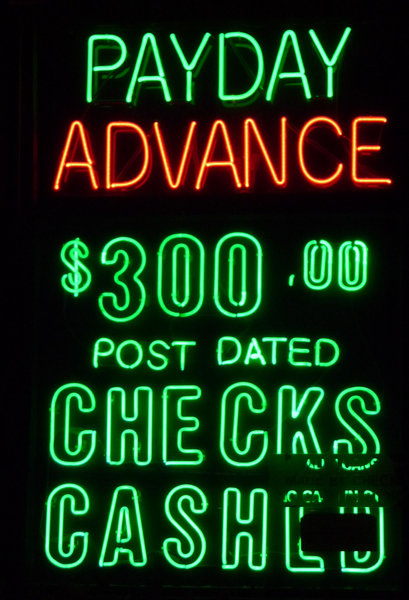
Payday loans, which often require borrowers to provide a post-dated check or consent to electronic withdrawal from their bank account, typically provide small amounts of money — usually ranging from $100 to $1,500 — that must be repaid on the borrower’s next payday. The allure of no credit checks makes these loans particularly appealing to individuals with poor credit histories or those facing financial emergencies.
Proponents of payday loans argue that they fill a crucial gap in the financial market for underbanked and low-income consumers. Many people find themselves in situations where unexpected expenses arise, such as medical bills or car repairs, that they cannot immediately pay off without borrowing. For these individuals, payday loans present an accessible option that allows them to bridge the gap until their next paycheck.
“For many people, payday loans are a lifeline,” says Jamie Wells, a financial advisor specializing in credit management. “When you don’t have savings to fall back on, these loans may seem like the only option available to cover essential expenses.” Surprisingly, the demand for payday loans has surged, particularly during economic downturns or after sudden job loss, as more consumers turn to alternative lending options when faced with financial hardships.
However, experts warn that payday loans come with exorbitant interest rates that can lead to a cycle of debt for consumers. According to the Consumer Financial Protection Bureau (CFPB), the average annual percentage rate (APR) for a payday loan can soar as high as 400%. Borrowers who cannot repay the loan on their next payday may find themselves needing to take out additional loans to cover the first, resulting in a vicious cycle of borrowing and repayment.
“The problem is that many borrowers underestimate how quickly these loans can become unmanageable,” Wells adds. “They might take a payday loan thinking they will only need to pay it back with their next paycheck, but unforeseen circumstances can make that repayment difficult.” As a result, many individuals end up trapped in a cycle of rolling over their loans, leading to mounting interest charges and financial instability.
The risks associated with payday loans have prompted lawmakers and regulators to take a closer look at the practice. Several states have enacted stricter regulations on payday lending, with some jurisdictions capping interest rates or outright banning the practice. Advocates argue that such measures are necessary to protect vulnerable consumers from financial exploitation.
While the debate around payday loans continues, some individuals have turned to alternative lending options that provide relief without the same pitfalls. Credit unions, for instance, often offer small-dollar loans with lower interest rates and more lenient repayment terms compared to traditional payday lenders. Financial education programs, including those offered by nonprofit organizations, also aim to empower individuals with the tools needed for better money management.
In addition, alternative online platforms, such as peer-to-peer lending, have emerged as a potential solution to meet the needs of those who may not qualify for traditional bank loans. These platforms connect borrowers with individual investors willing to fund loans, often leading to more favorable terms than those associated with payday lenders.
As consumers navigate their financial options, it is essential for them to weigh the pros and cons of taking out payday loans with no credit check. While these loans might provide immediate relief, they do come with significant risks that require careful consideration. Financial literacy and awareness play crucial roles in ensuring that individuals make informed decisions about their borrowing needs.
As the conversation around payday loans evolves, it remains essential for consumers to advocate for their financial well-being. Preventing the potential pitfalls of payday loans requires a multifaceted approach, including public education, rigorous regulation, and the availability of more affordable lending options. For many, the goal should be not only to alleviate immediate financial distress but also to build a more sustainable financial future.
In conclusion, payday loans with no credit check offer a quick fix to financial woes but can lead to severe long-term consequences if not managed carefully. The rise of alternative lending options shows promise, but the need for responsible borrowing and financial literacy remains at the forefront of any discussion surrounding payday loans. If you adored this article and you would certainly such as to get additional info regarding payday loans no credit check (https://instantpaydayloans.us.com) kindly browse through our own internet site. As both consumers and policymakers continue to navigate this complex landscape, the importance of understanding the implications of payday loans cannot be overstated. Together, they must seek solutions that empower individuals while ensuring they do not fall victim to exploitative lending practices.