Introduction
Payday loans have emerged as a controversial financial service, particularly for individuals facing the challenges of bad credit. These short-term loans are designed to provide immediate cash relief, often with minimal scrutiny of the borrower’s credit history, attracting many individuals in tough financial situations. However, the convenience of obtaining payday loans online does not come without significant risks and consequences. This article delves into the nature of payday loans for individuals with bad credit, the potential pitfalls, and available alternatives.
What Are Payday Loans?
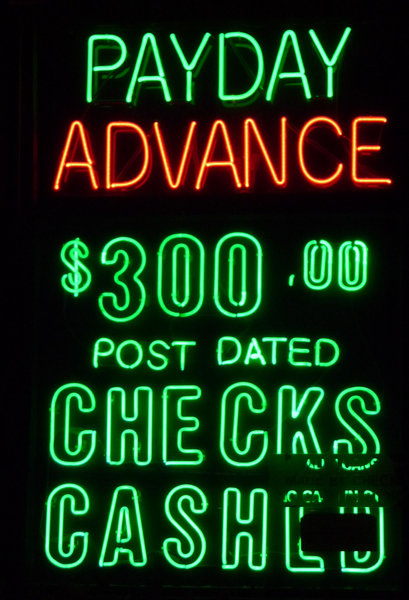
Payday loans are short-term, high-interest loans typically intended to cover expenses until the borrower receives their next paycheck. They range from a few hundred to a few thousand dollars and are generally expected to be paid back within two to four weeks. The process for obtaining these loans is often expedited through online platforms, making them accessible 24/7. Borrowers can apply for loans without the need for a credit check, which is appealing to those with bad credit histories.
Understanding Bad Credit
Bad credit is typically characterized by a low credit score, often stemming from missed payments, defaults, or high credit utilization. Credit scores are determined by various factors, including payment history, total debt, length of credit history, and new credit inquiries. Individuals with bad credit find it challenging to secure traditional loans or credit cards, which leads them to explore alternative lending options such as payday loans.
The Appeal of Online Payday Loans
The advent of technology has revolutionized how payday loans are obtained. Online payday loans offer the allure of instant access to funds, with the entire application process completed from the comfort of one’s home. Unlike traditional lenders, online payday loan providers require minimal documentation and often approve applicants within hours. This convenience is particularly attractive to consumers who face urgent financial needs, such as medical emergencies or unexpected bills.
However, this ease of access can lead to reckless borrowing behavior, as individuals may overlook the high costs associated with these loans. According to a report from the Consumer Financial Protection Bureau (CFPB), many borrowers end up rolling over their loans—taking out new loans to pay off old ones—thus compounding their debt.
The Risks of Payday Loans for Bad Credit Borrowers
While payday loans can serve as a temporary financial lifeline, they come with exorbitant interest rates that can exceed 400% APR. This excessive cost can make it incredibly difficult for borrowers to repay their loans on time, leading to cycles of debt and financial distress. The average payday loan borrower is said to take out 10 loans per year, often falling into a pattern of borrowing and re-borrowing.
Legal Regulations and Concerns
The payday loan industry is subject to varying regulations across different states in the United States. Some states have enacted strict limits on the fees and interest rates that lenders can charge, while others have few regulations, leading to predatory lending practices. Many borrowers are unaware of the laws governing payday loans in their state, making diligent research crucial before applying.
Impact on Credit and Financial Health
Additionally, payday loans can negatively impact a borrower’s credit profile. While the initial loan may not involve a credit check, failure to repay the loan on time can result in collections and, subsequently, a further decline in credit scores. The ripple effect of being unable to repay payday loans can include difficulty in securing future loans, impacting rental applications, and hindering employment opportunities that require credit checks.
Alternatives to Payday Loans
To circumvent the pitfalls associated with payday loans, consumers should explore alternative financing options that may be more sustainable and less costly. Here are several alternatives to consider:
- Credit Unions and Community Banks: Many credit unions and local banks offer small personal loans with lower interest rates than payday lenders. These institutions prioritize community welfare, often providing favorable terms to borrowers with bad credit.
- Peer-to-Peer Lending: Platforms like LendingClub and Prosper connect borrowers with individual investors willing to fund their loans. This approach can yield lower interest rates and more flexible repayment terms compared to traditional payday loans.
- Payment Plans: Some service providers offer payment plans or arrangements that allow consumers to break their payment into smaller, more manageable installments. This could apply to utility bills, medical expenses, or other unexpected costs.
- Cash Advances from Credit Cards: If a consumer has a credit card, they may be able to take a cash advance. While high-interest rates may still apply, they tend to be lower than that of payday loans.
- Family and Friends: Borrowing from family or friends is often considered a last resort, but it can be a viable option for those in need of quick financial assistance. Establishing a structured repayment plan can help maintain relationships and avoid confusion.
- Government Assistance Programs: Depending on the individual’s situation, they might qualify for various government assistance programs designed to help those in financial distress. This can include food assistance, housing assistance, and unemployment benefits.
Conclusion
While payday loans online (https://instantpaydayloans.us.com) may present a convenient financing option for individuals with bad credit, the associated risks and financial consequences can create greater hardships. The high interest rates, potential for debt cycles, and adverse impact on credit scores highlight the need for borrowers to critically evaluate their options. Understanding and exploring safer alternatives can empower consumers to make informed financial decisions and manage their financial health more effectively. Education and awareness remain crucial as consumers navigate the complex landscape of short-term lending solutions.