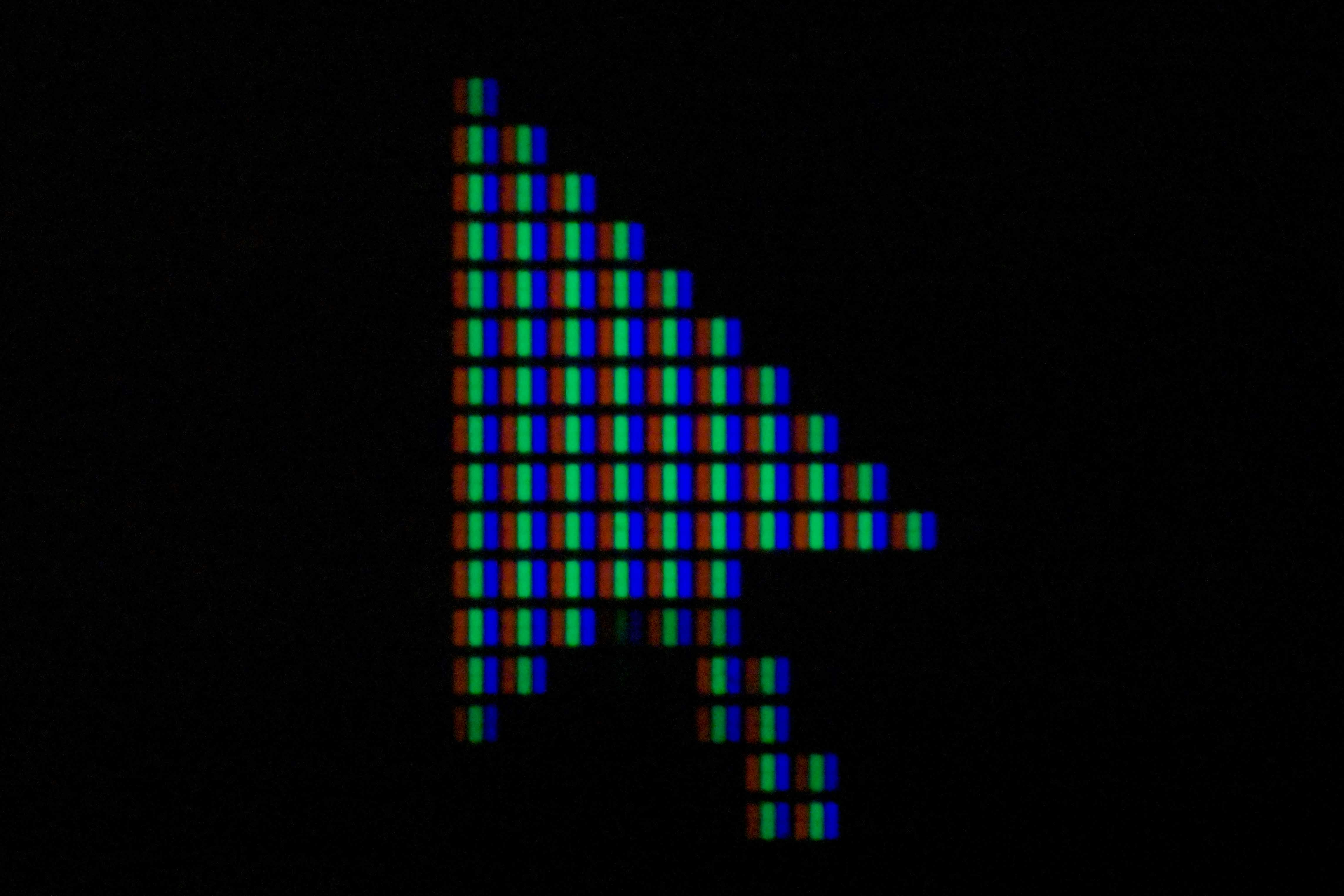
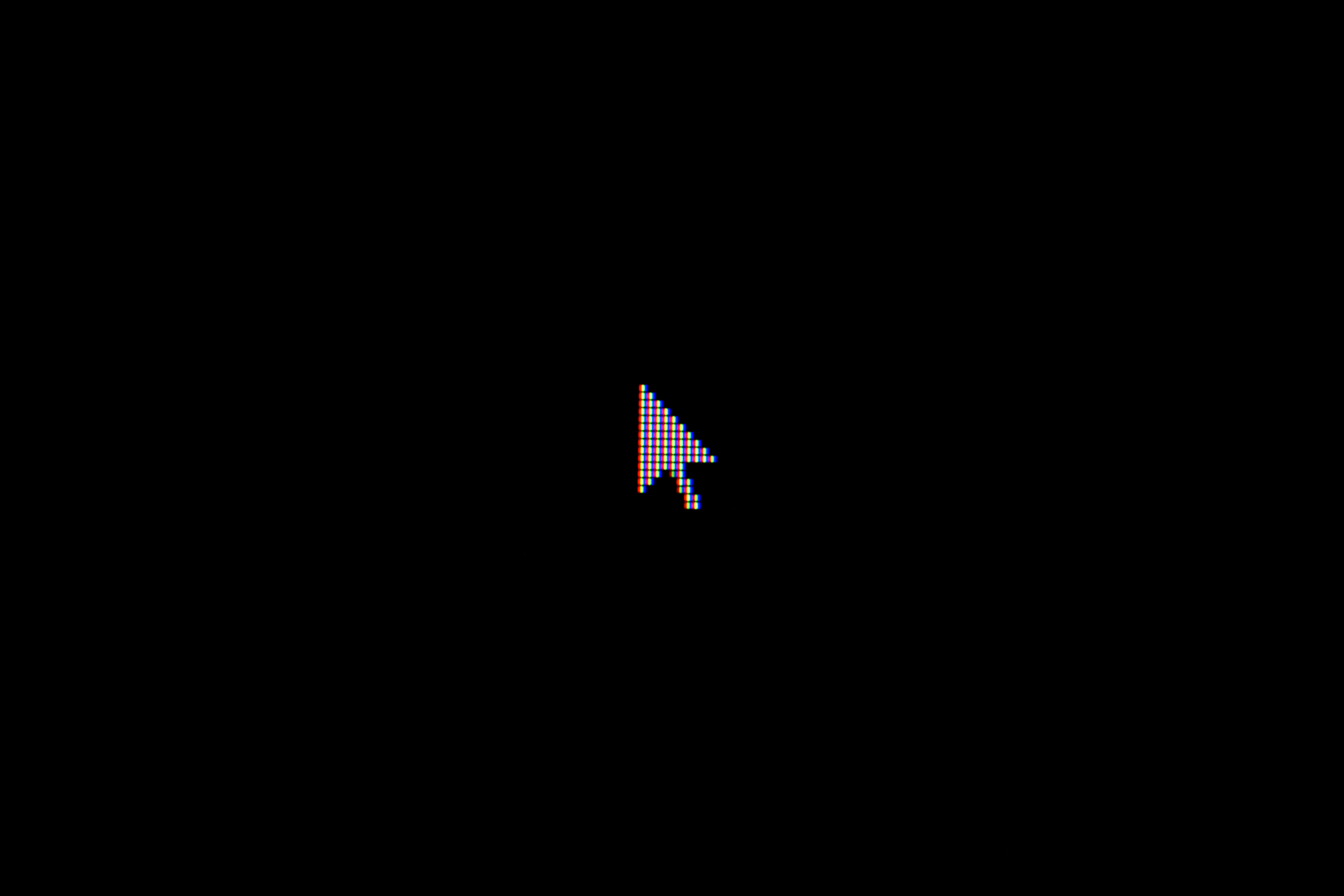
Touch gestures, such as swiping and pinching, have replaced the traditional mouse pointer, allowing for a more intuitive and direct interaction model. As touchscreens became prevalent, particularly with the rise of smartphones and tablets, the need for cursor alternatives emerged. Historically, the cursor has been a simple arrow, guiding users through a graphical user interface (GUI). This shift has paved the way for exploring further alternatives that can cater to diverse user needs and preferences.
High-frequency trading relies on AI to execute trades in milliseconds, capitalizing on minute fluctuations in stock prices. Additionally, AI-driven risk assessment tools help financial institutions detect fraudulent activities and assess creditworthiness, improving security and efficiency in the financial sector. AI’s impact is also evident in finance, where algorithms analyze market trends and make predictions with astonishing speed and accuracy.
This includes solar, wind, hydroelectric, geothermal, and biomass energy. Renewable energy refers to energy sourced from natural processes that are continuously replenished. Unlike fossil fuels, which release carbon dioxide and other harmful pollutants into the atmosphere when burned, renewable energy sources produce little to no emissions, making them a cleaner alternative for power generation.
As technology continues to evolve, the importance of customization and accessibility in user interfaces will only grow, making free cursor alternatives an essential aspect of digital interaction. Free cursor alternatives offer an exciting opportunity for users to personalize their computing experience. With a variety of options available, from cursor creation tools to extensive libraries of designs, users can find the perfect cursor that suits their style and needs. Whether for aesthetic reasons, accessibility, or personal expression, the world of cursor customization is ripe for exploration and innovation.
<img src="https://images.unsplash.com/photo-1620204793546-52e551337761?ixid=M3wxMjA3fDB8MXxzZWFyY2h8MTh8fGN1cnNvciUyMGFsdGVybmF0aXZlc3xlbnwwfHx8fDE3ODkxNzkyMDh8MA&ixlib=rb-4.1.0" alt="iphone, iphone x, ios, home screen, close up, pixels, retina, smartphone, icon, ios 14, icon, screen, phone, app, apps, bokeh, close focus, technology,
” style=”max-width:450px;float:right;padding:10px 0px 10px 10px;border:0px;”>Users can import images to use as cursor graphics, making it easy to incorporate personal designs. It supports both static and animated cursors, allowing for a greater range of creativity. RW Cursor Editor: Similar to RealWorld Cursor Editor, RW Cursor Editor is a simple yet powerful tool for creating custom cursors.
Additionally, advancements in smart grid technology are enhancing energy management and efficiency. The future of renewable energy looks promising, with technological advancements and decreasing costs driving growth. Innovations in energy storage, such as batteries and pumped hydro storage, are improving the feasibility of integrating renewable sources into the energy grid.
Brands like Apple Pencil and Microsoft Surface Pen have set the standard for high-quality stylus technology, providing users with a seamless experience on touchscreen devices. For those who require precision in their digital interactions, stylus pens have emerged as a popular cursor alternative. Styluses are particularly favored by graphic designers, artists, and note-takers, as they offer a level of control that a finger cannot match. Many stylus devices come equipped with pressure sensitivity, allowing for varied line thickness and shading, making them ideal for creative applications.
These alternatives not only cater to different preferences and needs but also promote accessibility and inclusivity in technology. From touchscreen gestures and stylus pens to eye-tracking technology and voice control, users now have a diverse array of options to enhance their digital experience. As technology continues to advance, the landscape of cursor alternatives is expanding rapidly.
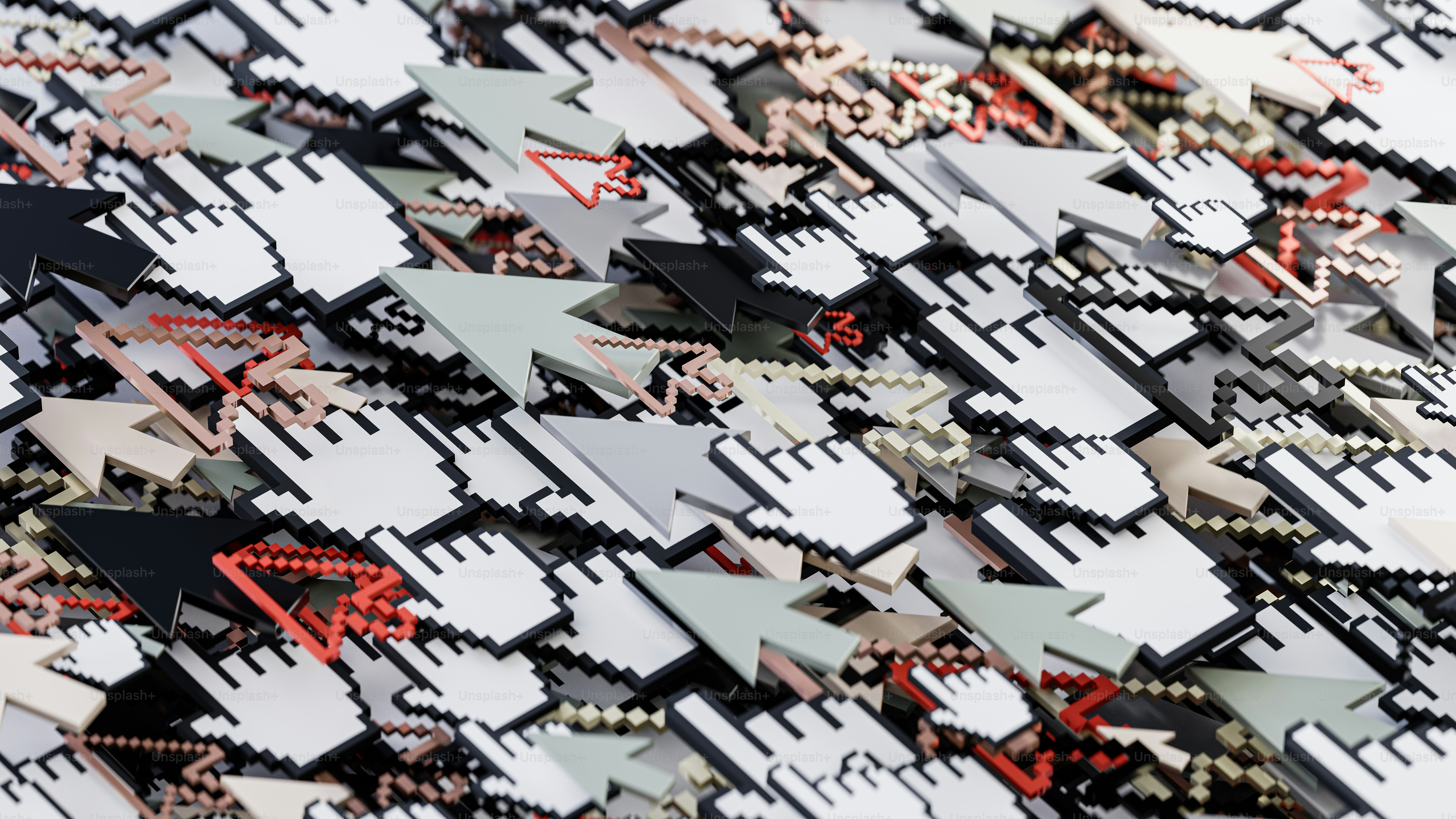
Additionally, some applications allow users to create cursors that match their specific needs, such as larger cursors for better visibility or themed cursors for a fun aesthetic. Custom cursors can enhance visual appeal and provide a unique touch to the user interface, making digital interactions more enjoyable. Various software applications and extensions allow users to change the appearance and behavior of their cursors, from simple color changes to intricate animations. For users who wish to personalize their digital experience, customizable cursors offer an exciting alternative.
Traditionally, users have relied on the mouse pointer to navigate, select, and manipulate elements on their screens. This article explores various cursor alternatives that enhance user experience, improve accessibility, and propel the future of human-computer interaction. In the vast realm of digital interfaces, the cursor has long been the primary tool for interaction. However, as technology evolves, so too do the methods of interaction.
Cursor.cc: This online platform allows users to create and customize cursors directly in their web browser. Cursor.cc is particularly appealing for those who want a quick and straightforward way to design custom cursors without downloading software. Users can select colors, shapes, and sizes, and then download their creations for use.