
Executive jets, often referred to as business jets or private jets, represent the epitome of luxury and efficiency in air travel. These aircraft are designed to cater to the needs of corporate executives, high-net-worth individuals, and anyone seeking a level of comfort and convenience that commercial airlines simply cannot provide. This article explores the various aspects of executive jets, including their types, benefits, operational considerations, and the future of private aviation.
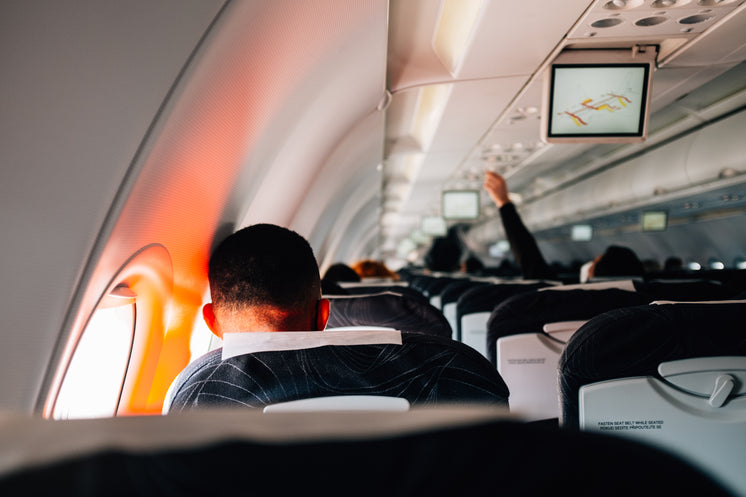
What is an Executive Jet?
An executive jet is a type of aircraft specifically designed for transporting individuals or small groups in a private setting. Unlike commercial airlines that operate on scheduled routes, executive jets provide on-demand service, allowing passengers to choose when and where they fly. These jets can range from small turboprop planes to large, luxurious jets that can accommodate dozens of passengers.
Types of Executive Jets
Executive jets can be categorized into several types based on size, range, and capabilities. The primary categories include:
- Very Light Jets (VLJs): These are the smallest jets, typically seating 4 to 6 passengers. They are ideal for short-haul flights and can access smaller airports that larger jets cannot.
- Light Jets: Slightly larger than VLJs, light jets can accommodate 6 to 8 passengers and are suitable for short to medium-haul flights. They offer a good balance between performance and cost.
- Midsize Jets: Midsize jets can carry 7 to 9 passengers and are capable of longer-range flights. They often come equipped with more amenities and larger cabins.
- Super Midsize Jets: These jets provide more space and range than midsize jets, accommodating 8 to 10 passengers and offering enhanced comfort and performance for longer journeys.
- Heavy Jets: Heavy jets can carry 10 to 20 passengers and are designed for long-haul flights. They often feature luxurious interiors, advanced technology, and a range of amenities to ensure a comfortable journey.
- Ultra Long Range Jets: These are the largest and most luxurious jets, capable of flying intercontinental distances. They can accommodate a significant number of passengers and are often outfitted with private sleeping quarters, showers, and full galleys.
Benefits of Executive Jets
The advantages of using executive jets are numerous, making them an attractive option for both business and leisure travelers:
- Time Efficiency: Executive jets can significantly reduce travel time. They allow for direct flights to regional airports closer to the destination, bypassing the delays associated with commercial airline travel.
- Flexibility: Passengers can set their schedules, choosing departure times that suit their needs. This flexibility allows for last-minute changes and the ability to travel to multiple destinations in a single day.
- Privacy and Comfort: Executive jets offer a private environment, which is especially valuable for business discussions or personal relaxation. The interiors are designed for comfort, often featuring spacious seating, entertainment systems, and catering options.
- Access to More Airports: Executive jets can land at thousands of airports worldwide, many of which are not serviced by commercial airlines. This opens up a wider range of travel options and can save significant travel time.
- Enhanced Security: Traveling by private jet offers a higher level of security and confidentiality. Passengers can avoid crowded terminals and long security lines, reducing exposure to potential risks.
Operational Considerations
While executive jets provide numerous benefits, there are also operational considerations to keep in mind:
- Cost: The cost of operating an executive jet can be significant. Expenses include fuel, maintenance, crew salaries, insurance, and hangar fees. Many individuals and companies choose to charter jets rather than own them outright to manage these costs effectively.
- Regulations: Private aviation is subject to various regulations that can differ from those governing commercial airlines. Operators must comply with aviation laws, safety standards, and customs regulations when flying internationally.
- Environmental Impact: The environmental impact of private aviation is a growing concern. Executive jets typically have a higher carbon footprint per passenger compared to commercial airlines. Many operators are exploring sustainable aviation fuels and more efficient aircraft designs to mitigate this impact.
- Maintenance and Safety: Ensuring the safety and reliability of an executive jet requires rigorous maintenance and adherence to safety protocols. In case you loved this short article and you would like to receive more details with regards to world class jets generously visit our own page. Operators must conduct regular inspections and adhere to safety regulations set by aviation authorities.
The Future of Executive Jets
The future of executive jets is poised for innovation and growth. Several trends are shaping the industry:
- Technological Advancements: Advances in aviation technology are leading to more efficient engines, enhanced safety features, and improved passenger experiences. Innovations such as fly-by-wire systems and advanced avionics are becoming standard in new aircraft models.
- Sustainability Initiatives: As environmental concerns rise, the industry is increasingly focused on sustainability. The development of electric and hybrid aircraft, as well as the use of sustainable aviation fuels, is expected to play a significant role in the future of executive aviation.
- On-Demand Services: The rise of on-demand charter services and fractional ownership models is making executive jets more accessible to a broader audience. These services allow individuals and businesses to enjoy the benefits of private aviation without the commitment of ownership.
- Digital Transformation: The integration of digital technology in booking and managing flights is revolutionizing the industry. Mobile apps and online platforms are streamlining the process of finding, booking, and managing private jet travel.
Conclusion
Executive jets represent a unique blend of luxury, efficiency, and convenience in air travel. They offer unparalleled flexibility and comfort for travelers, making them a preferred choice for business and leisure alike. As the industry evolves, embracing new technologies and sustainability initiatives, executive jets will continue to play a vital role in the future of aviation, catering to the needs of discerning travelers around the globe.